Before- and After-School Care in Klein: Homework Help, Enrichment, and Reliable Routines
School-age care should solve a scheduling need while giving children a balanced place to decompress, complete work, move, create, and connect.

More Than Coverage Between School and Work
Before- and after-school care fills a practical gap, but the hours around school also shape a child's day. A rushed morning or an unstructured afternoon can leave children tired and families stressed. A reliable program creates a predictable handoff, a welcoming environment, and age-appropriate choices after a demanding school day.
The best fit depends on your child's age, school, interests, and transportation needs. Some children want quiet time immediately after school. Others need movement before they can focus. Ask how the program balances both.
Start With Transportation and Attendance
Transportation is not automatically included and may be available only for selected nearby schools, subject to route capacity and enrollment. Confirm current availability directly with the center before making plans. If your child's school is served, ask how children are checked onto and off the vehicle, how delays are communicated, what safety rules apply, and what happens if a child is absent from school but the program was expecting them.
Families should keep school schedules and contact information current. Early-release days, holidays, weather changes, and extracurricular activities can all affect the routine. A written plan prevents confusion and helps every adult know where the child should be.
- Which nearby schools are currently served?
- How are attendance and vehicle checks documented?
- How will families learn about a delay?
- Is care available on school holidays or teacher workdays?
Homework Help That Builds Independence
Homework support should help a child understand directions, organize materials, and persist through a challenge without an adult completing the work. Qualified staff can clarify concepts, ask guiding questions, and notice patterns that families may want to discuss with the classroom teacher.
Ask whether homework time is required, how long it lasts, and what children do when they have no assignment. A child who has worked hard all day may need a snack and movement before sitting down. The schedule should be structured without becoming a second full school day.
Enrichment, Movement, and Choice
School-age children need opportunities to create and connect. Art, STEM challenges, reading, music, outdoor games, board games, and supervised free choice let children explore interests that may not fit into the school schedule. These activities can also build teamwork and confidence.
Look for spaces and materials that respect older children. A school-age program should not feel like a preschool room with larger chairs. Children benefit when staff invite their ideas, offer meaningful responsibilities, and create projects that can continue over several days.
A Routine Families Can Count On
Before enrolling, clarify hours, late-pickup procedures, snacks, personal devices, behavior expectations, and how staff communicate. Ask who can answer questions about homework, peer concerns, or transportation. Clear expectations make the program easier for children and adults to navigate.
A strong before- and after-school program should make the family schedule more manageable while giving children a place to feel known. When care includes reliable transitions, useful academic support, movement, creativity, and friendships, those few hours become a meaningful part of the day.
See learning and care in action
Visit First Achievers Childcare at 4540 Farm to Market 1960 Rd W in Houston and find the right classroom for your family.
Keep reading
All articles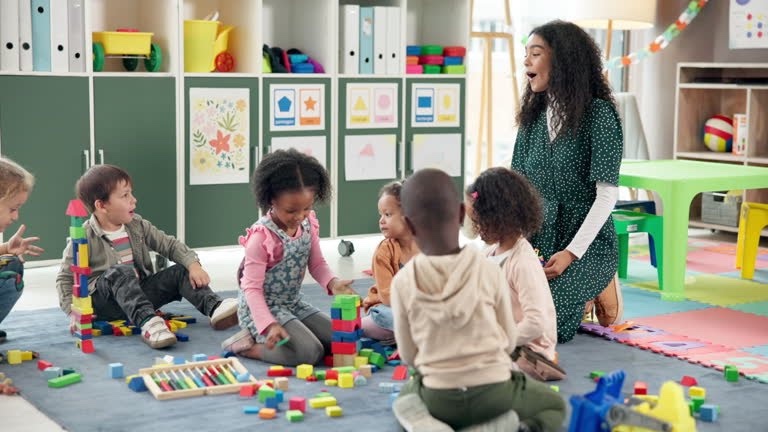
How to Choose a Daycare in Klein, Houston: 15 Questions to Ask During a Tour
A practical, pressure-free checklist for comparing safety, teachers, routines, communication, and the everyday feel of a childcare center.
Read article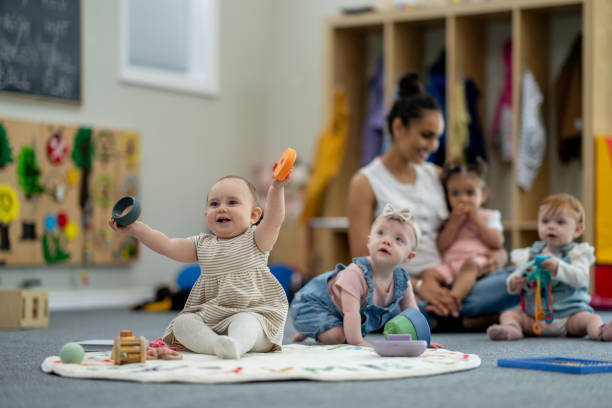
Infant Daycare in Houston: A Parent's Guide to Feeding, Naps, Safe Sleep, and Daily Updates
What responsive infant care looks like, from individualized rhythms and safe sleep to sensory play and useful updates for parents.
Read article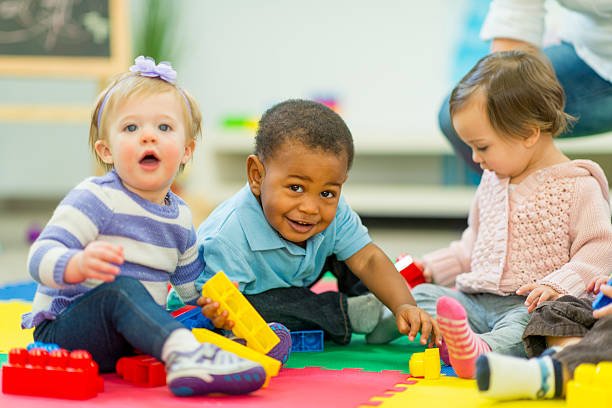
What Do Two-Year-Olds Learn at Daycare? A Day of Play, Language, Friendship, and Independence
A closer look at the serious learning hidden inside blocks, songs, pretend play, outdoor movement, and everyday toddler routines.
Read article