What Do Two-Year-Olds Learn at Daycare? A Day of Play, Language, Friendship, and Independence
A closer look at the serious learning hidden inside blocks, songs, pretend play, outdoor movement, and everyday toddler routines.
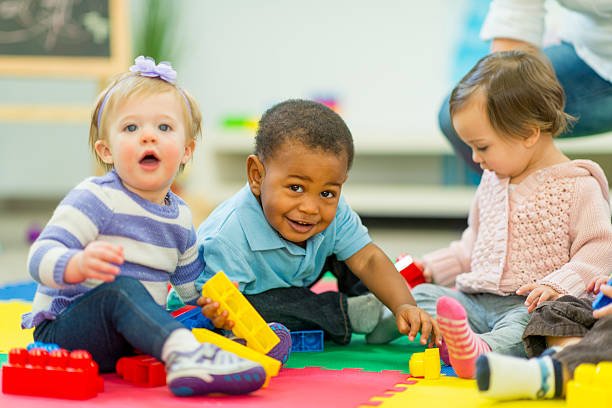
For Toddlers, Play Is the Work of Learning
A two-year-old stacking blocks may look like they are simply keeping busy. In that moment, they are testing balance, comparing size, coordinating both hands, coping with a tower that falls, and deciding whether to try again. Play lets toddlers investigate ideas with their whole bodies, which is exactly how learning should feel at this age.
A strong toddler classroom offers inviting choices and teachers who know when to join, when to add language, and when to let a child solve a small problem. Rather than directing every move, teachers create safe opportunities for curiosity and help children stay with an activity a little longer.
Language Grows in Everyday Conversation
Toddlers build language through repetition, songs, stories, gestures, and responsive conversation. Teachers strengthen vocabulary by naming what children notice, expanding short phrases, and giving children time to answer. During snack, a teacher might talk about colors and textures. During block play, words such as tall, beside, under, heavy, and more become part of a real experience.
Group songs and read-alouds add rhythm, listening practice, and the pleasure of shared language. The goal is not to quiz toddlers. It is to surround them with useful words, listen closely to their attempts, and show them that communication works.
Friendship Starts With Supported Practice
Two-year-olds are still learning how to enter play, wait, share materials, and recover when another child wants the same toy. Those skills are not automatic. Teachers help by naming feelings, offering simple scripts, and guiding children toward a solution without expecting adult-level self-control.
A classroom gives toddlers regular opportunities to notice peers and experience the rhythms of a group. They learn that other children have ideas, that routines include waiting, and that a caring adult can help when feelings become too big. Over time, those experiences build confidence and empathy.
- Using simple words to express a need
- Taking short turns with adult support
- Recognizing basic feelings
- Joining songs, cleanup, and group routines
- Beginning to comfort or notice another child
Small Responsibilities Build Independence
Toddlers often want to do everything themselves, even when their skills are still catching up. Childcare routines provide many safe chances to practice: washing hands, carrying a cup, putting a toy in its place, choosing a book, pulling up clothing, or helping wipe a table. These tasks develop coordination and communicate an important message: you are a capable member of this classroom.
Adults can support independence by breaking tasks into manageable steps and allowing extra time. The result may not be perfect, but the practice matters. Families can reinforce the same skills at home by offering simple choices and letting children help with predictable routines.
A Balanced Toddler Day
Two-year-olds benefit from a dependable rhythm that alternates active and quiet experiences. A day may include welcoming play, a short group gathering, learning centers, outdoor movement, meals, rest, art, music, books, and another stretch of play. Transitions work best when teachers give warnings, use songs or visual cues, and keep waiting time short.
Parents evaluating toddler care should ask to see the schedule, but they should also ask how flexible it is. A thoughtful classroom has a plan and still responds to the children in front of it. That balance turns ordinary moments into a day filled with language, movement, connection, and growing confidence.
See learning and care in action
Visit First Achievers Childcare at 4540 Farm to Market 1960 Rd W in Houston and find the right classroom for your family.
Keep reading
All articles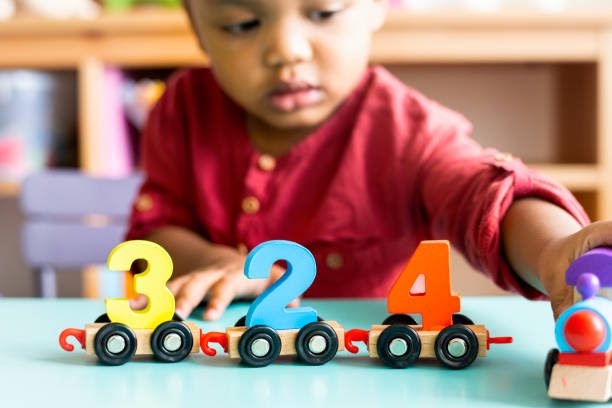
Potty Training and Daycare: How Parents and Teachers Can Work Together
Potty learning is easier when home and school share cues, language, routines, and realistic expectations without turning progress into pressure.
Read article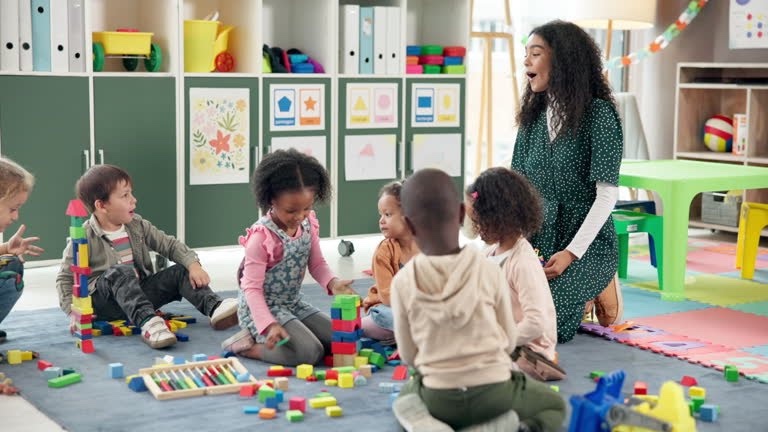
How to Choose a Daycare in Klein, Houston: 15 Questions to Ask During a Tour
A practical, pressure-free checklist for comparing safety, teachers, routines, communication, and the everyday feel of a childcare center.
Read article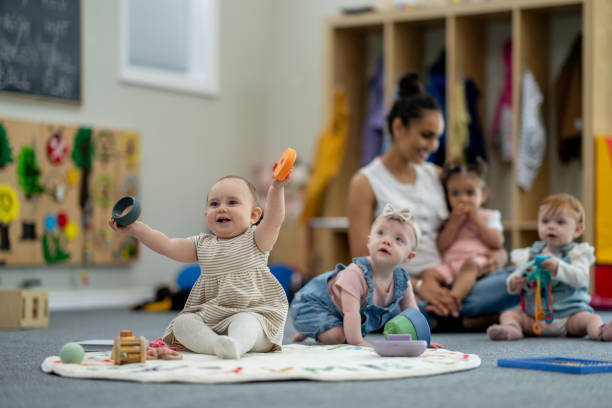
Infant Daycare in Houston: A Parent's Guide to Feeding, Naps, Safe Sleep, and Daily Updates
What responsive infant care looks like, from individualized rhythms and safe sleep to sensory play and useful updates for parents.
Read article