Potty Training and Daycare: How Parents and Teachers Can Work Together
Potty learning is easier when home and school share cues, language, routines, and realistic expectations without turning progress into pressure.
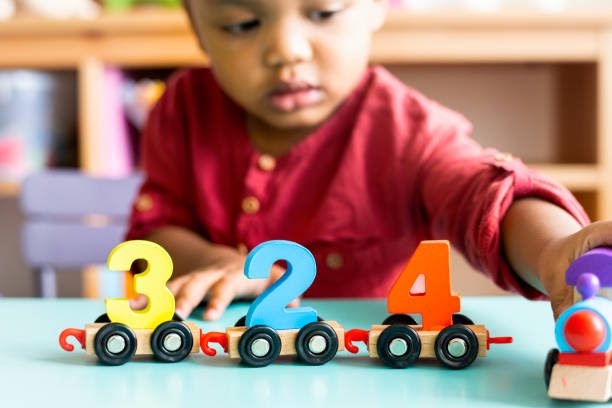
Think Readiness, Not a Deadline
Potty learning is a developmental process, not a test that every child completes at the same age. Some children show interest early, while others need more time to notice body signals, manage clothing, communicate a need, and pause an exciting activity. Pressure can make the process harder, so families and teachers should begin with observation and conversation.
Possible signs of readiness include staying dry for longer periods, noticing or reporting a wet diaper, showing interest in the toilet, following simple directions, and helping with clothing. No single sign guarantees immediate success. The pattern matters more than one enthusiastic afternoon.
Choose Clothing That Supports Success
Toddlers need clothing they can manage quickly. Elastic-waist pants and simple layers make independence more achievable. Overalls, belts, complicated snaps, and one-piece outfits can turn a clear body signal into an accident before a child has time to reach the toilet.
Send the number of complete changes of clothing requested by the center, including socks and shoes when appropriate. Label each item and replenish the supply promptly. A wet bag or the center's preferred system for soiled clothing keeps the process organized and respectful.
Treat Accidents as Information
Accidents are expected while a new skill is developing. A calm response protects the child's dignity: acknowledge what happened, help them get clean and comfortable, briefly remind them what to do next time, and move on. Shame, teasing, or visible frustration can make a child anxious about the process.
Patterns can help adults adjust. Frequent accidents during outdoor play may mean the child needs a reminder before going outside. Accidents near the end of the day may reflect fatigue. A temporary setback can also happen during illness, travel, a new sibling, or another major change.
Measure Progress Broadly
Progress is not only a fully dry day. A child who tells an adult after an accident is becoming more aware. A child who sits willingly, helps with clothing, or stays dry through one routine is building part of the skill. Noticing these steps keeps encouragement honest and reduces pressure.
If you are concerned about pain, constipation, unusually frequent urination, or another health issue, contact your child's healthcare provider. For the everyday learning process, steady communication between family and teacher is the strongest tool. The same patient partnership that supports language and social skills supports potty learning too.
See learning and care in action
Visit First Achievers Childcare at 4540 Farm to Market 1960 Rd W in Houston and find the right classroom for your family.
Keep reading
All articles
What Do Two-Year-Olds Learn at Daycare? A Day of Play, Language, Friendship, and Independence
A closer look at the serious learning hidden inside blocks, songs, pretend play, outdoor movement, and everyday toddler routines.
Read article
How to Choose a Daycare in Klein, Houston: 15 Questions to Ask During a Tour
A practical, pressure-free checklist for comparing safety, teachers, routines, communication, and the everyday feel of a childcare center.
Read article
Infant Daycare in Houston: A Parent's Guide to Feeding, Naps, Safe Sleep, and Daily Updates
What responsive infant care looks like, from individualized rhythms and safe sleep to sensory play and useful updates for parents.
Read article