Is My Child Ready for Kindergarten? A Texas Pre-K Readiness Guide Beyond ABCs
Kindergarten readiness is bigger than letters and numbers. It includes communication, self-regulation, independence, movement, and learning with others.
Readiness Is a Whole-Child Picture
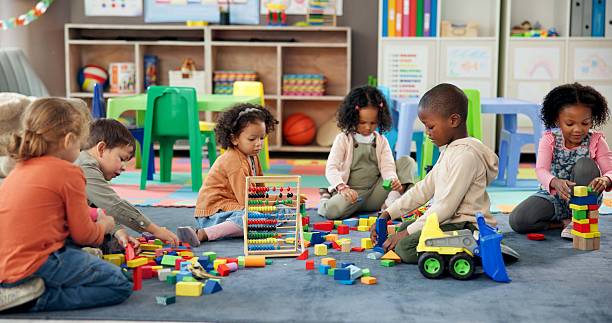
Parents often ask whether a child must read, count to a certain number, or write every letter before the first day of kindergarten. Those academic skills are useful, but they are only part of readiness. A child also needs to communicate needs, participate in a group, try unfamiliar tasks, manage basic routines, and recover from small frustrations with support.
Texas school-readiness guidance emphasizes a balance of teacher-led and child-led learning that supports language, thinking, executive function, problem solving, self-regulation, and creativity. That is why a strong Pre-K classroom includes purposeful play alongside direct instruction.
Language and Early Literacy
Before conventional reading develops, children build a foundation through conversation, storytelling, songs, rhymes, and shared books. They learn that print carries meaning, recognize their name, notice sounds in words, retell familiar events, and ask or answer questions about a story.
Families can support these skills without turning home into a classroom. Read together, pause to predict what might happen, point out useful print in the environment, and invite your child to tell the story from the pictures. Writing a grocery list together can be as valuable as a worksheet because the child sees literacy serving a real purpose.
- Listen to and discuss a short story
- Speak clearly enough to communicate needs and ideas
- Recognize their first name in print
- Experiment with drawing, marks, letters, and name writing
- Notice rhymes and some beginning sounds
Math Readiness and Problem Solving
Early math is more than reciting numbers. Children build number sense by counting real objects, comparing groups, recognizing simple patterns, sorting materials, and talking about shape, size, position, and measurement. Blocks, puzzles, cooking, cleanup, and outdoor play all create useful math experiences.
Problem solving matters just as much. When children plan a structure, test an idea, revise it, and explain what happened, they are practicing persistence and flexible thinking. Adults can help by asking open questions instead of quickly providing the answer.
Prepare Without Creating Pressure
Children enter kindergarten with different strengths, languages, experiences, and developmental timelines. A checklist should guide support, not label a child as successful or unsuccessful. If you have concerns about development, talk with your child's teacher, pediatrician, or local school district early so you can understand available resources.
The most useful preparation keeps curiosity intact. Visit the future school when possible, read stories about kindergarten, practice the morning routine, and speak positively without promising that every moment will be easy. A child who knows how to try, connect, communicate, and seek help arrives with tools that matter far beyond the first week.
A kindergarten-ready child does not need to know everything. They need a growing foundation and adults who will keep building it with them.
Helpful resources
See learning and care in action
Visit First Achievers Childcare at 4540 Farm to Market 1960 Rd W in Houston and find the right classroom for your family.
Keep reading
All articles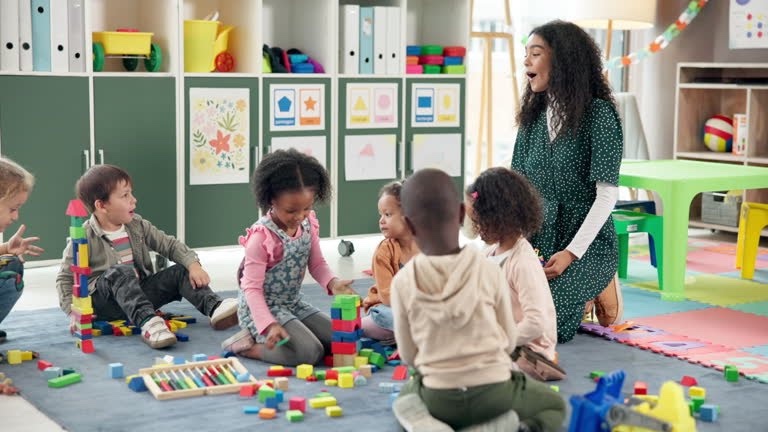
How to Choose a Daycare in Klein, Houston: 15 Questions to Ask During a Tour
A practical, pressure-free checklist for comparing safety, teachers, routines, communication, and the everyday feel of a childcare center.
Read article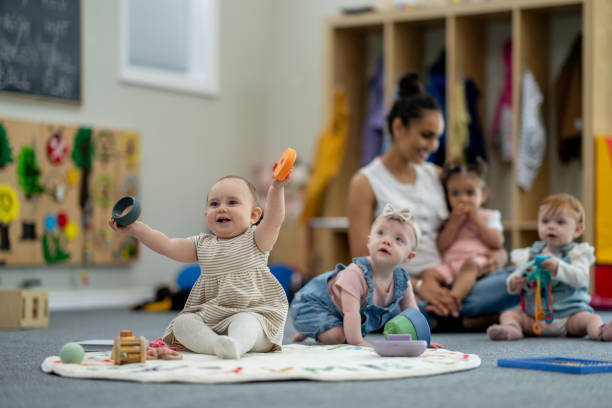
Infant Daycare in Houston: A Parent's Guide to Feeding, Naps, Safe Sleep, and Daily Updates
What responsive infant care looks like, from individualized rhythms and safe sleep to sensory play and useful updates for parents.
Read article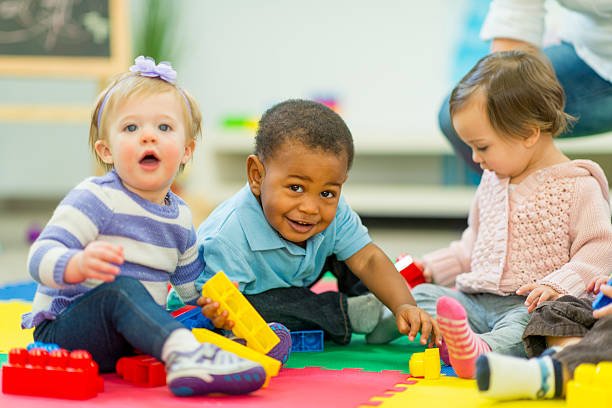
What Do Two-Year-Olds Learn at Daycare? A Day of Play, Language, Friendship, and Independence
A closer look at the serious learning hidden inside blocks, songs, pretend play, outdoor movement, and everyday toddler routines.
Read article
Social-Emotional Skills and Independence
Kindergarten involves learning in a community. Children benefit from practice taking turns, listening to another person's idea, following a two-step direction, using words during conflict, and participating in cleanup or transitions. They do not need perfect self-control, but they should be building strategies with adult support.
Practical independence also reduces stress. Practice opening a lunch container, managing a backpack, using the restroom, washing hands, putting on a jacket, and asking an adult for help. These routines free up attention for learning and help children feel capable in a new setting.